Friday, March 8, 2019

Why Your Library Needs a Reading Dog

Reading dogs are nothing new - children sign up to read stories to therapy dogs in the safe, comfortable setting of a library. These programs have been around for years, and come with a variety of fun names, designed to garner interest. Whether you call your program Barks & Books, Tales for Tails, or Read to Rover, it could be a great way to help reluctant readers gain confidence and enjoyment in reading. 


WHY TO DO IT

In 2010, the University Of California - Davis completed a study on reading dog programs, which found that readers who participated in a 10-week schedule of reading to dogs increased their confidence and reading skills, as compared to children who did not participate. (Why? Practice makes perfect, and dogs - while lowering blood pressure and cortisol levels, which cause stress - don't judge!)

Anecdotal evidence supports this claim, with stories of children who didn’t enjoy reading becoming excited to read to their canine friends. By hosting programs that cater to reluctant readers, libraries also reach a population that otherwise would be incredibly resistant to visiting the library, and introduce them to the joys of lifelong learning, and the wealth of things the library has to offer. In addition, since therapy dogs and their handlers work on a volunteer basis, this is a free program that practically guarantees attendance!

HOW TO GET STARTED

Chances are, there are libraries in your area that have run a successful reading dog program, and your best bet may be to reach out to them to find out the best volunteer organizations in your area. Some organizations are dedicated to reading animals specifically, while others certify only dogs. The Alliance of Therapy Dogs and Reading Education Assistance Dogs (R.E.A.D.) specialize in therapy dogs, whereas Pet Partners, which operate nationwide, includes many types of animals, including dogs, cats, and rabbits. 

In many libraries, Read To A Dog programs will have 15-minute appointments that children can sign up for, which gives them personalized time with the dog. Appointments should be held in a secluded area or closed room if possible; having an audience may be an issue for children with reading issues. In addition, this helps mitigate issues with allergies and dog phobias.

WHAT YOU NEED TO KNOW

In order to be therapy certified, dogs must pass a number of tests and be able to handle stressful certifications. (While specific guidelines may vary by organization, it is common for the pets to need to be able to handle a number of commands, hear loud noises without reacting, and deal with large crowds.) 

Most organizations will, with certification, insure their dogs in case there is an issue (unlikely as that is). You may want to check with your town to make sure you don't need any additional insurance. Handlers also are required to be present with their animal at all times, and the pet must always be on a leash. Please be sure that all library rules are clearly spelled out with the therapy team before appointments are made, to ensure that everyone is on the same page.

VARIATIONS

If the idea of having live animals in your library is uncomfortable or simply not possible, reach out to your local animal shelter and see if they would be willing to host library readers. Some shelters look for volunteers to help socialize their animals, and pairing children with these animals could be a beneficial partnership for everybody involved. 

Have you had a successful Reading Dog program? Tell us about it here in the comments, on our Facebook page, or on Twitter!

Friday, March 1, 2019

4 Unknown Factors Behind the Bestseller Lists

For many people, when they hear a book is on a bestseller list, they assume just one thing: That book sold the most copies. That assumption, however, would be incorrect.


I was one of those people until a few years ago, when I read an article from the Observer titled, The Truth About The New York Times and Wall Street Journal Bestseller Lists. This was reinforced recently when an unknown YA author scammed her way onto the New York Times Bestseller List.

I highly recommend you read the article in the Observer, but if not, I wanted to pull out a few points that I think every librarian should know. It turns out that, in addition to being a top seller, there are four factors that greatly influence these lists:

1. The sold numbers is only collected from a limited number of sources.

         The New York Times gets their numbers from select booksellers across the United States, not all sellers. People aren't suppose to know what stores are participating, but if you call the store and ask directly, they will tell you if they report back to the NYT or not. (Which leads into the problem stated in #3.)

         The Wall Street Journal gets their numbers from Neilson's BookScan, which doesn't cover 25-15% of the book selling market.


2. Personal opinion trumps selling numbers.

The editors from the NYT evaluate their bestselling list and decide which books make the cut, and which ones don't. And some big books were excluded from this list, like William Blatty's novel The Exorcist. It eventually made it onto the list once, but it was a bestseller for many weeks. Hugh Howey's Dust sold more than 50,000 copies but was listed at #7, much lower than other books on the list who had sold less copies.

3. Bulk purchases can change the game.

NYT tries to prevent people from buying their way onto the list. Any bulk purchase is flagged and not included in the numbers. However, there is a cutoff point of how many books are considered a bulk purchase (80 for independent stores). The YA author I mentioned above did use bulk purchases -- but she bought just 79 so she wouldn't be recorded as a "bulk" buy. Other bestsellers have used book laundering firms to do this dirty work for them.

4. People with money can still buy their way onto the list.

As was pointed out in the Observer, one author spent big money advertising his own book, hired people to buy it all across the US, and succeeded on making the list -- for one week. It was worth it to him -- he can forever call himself as a New York Times bestselling author -- and it may explain why odd selections have made the list.

So, what does this mean for librarians? Should we ignore bestseller lists?

No, they are still important. Many patrons do pay attention to bestselling lists and will want to check these books out. However, if you do find the bestsellers aren't circulating at your library (besides the books from the obvious popular authors), this may explain why!

Further Reading

Find this interesting and want to read more? Here are more articles!
The convoluted world of best-seller lists, explained
Scientists Decode What Makes a New York Times Bestseller
How To Get On The NY Times & Every Other Bestseller Book List

Friday, February 22, 2019

Why I Love Being a Librarian

Kat here! It's my birthday today, and I have decided that, instead of fixing problems, I'm going to celebrate and be super happy. Let's talk about why we love our jobs!

Now, I'm in the Children's Room, so my daily life is different from someone who works at the Reference Desk all day, but...

I love recommending books to people, and I especially love when they come back and talk to me about what they read and what they liked.

I love it when people get so excited about a book that they INSIST you read it.

I love programming, running storytimes and craft projects.

I love it when the little ones are so proud of their paper hand-turkeys that they run and show anyone they can find what they created "all by myself!"

I love helping people download ebooks and audio books, and making things accessible to those who haven't been able to use them before, or who can't always get to the library.

I love putting out coloring pages and having patrons of all ages sit and relax and enjoy their time together.

I love it when people visit the library who haven't been here lately, and showing them all the new things they didn't know we had to offer (Video Games! Blu-Ray discs! Downloadable magazines!)

I love it when I can tell somebody that we can get a book that we don't own for them through inter-library loan, and it'll only take a few days, and they get surprised and happy.

I love it when I get a really good reference question, and can spend some time digging into information that I never would have otherwise known.

I love it when the teens roll their eyes at me but don't leave, because they secretly think I'm cool (for an old lady), even though they wouldn't admit it.

I love it when I get all the books put away and edged and they look so inviting and wonderful for the 5 minutes before someone goes through them and they get the well-loved look again.

I love it when the books are messy because you just know somebody has been enjoying their time with them.

I love it when little ones get excited about reading a book and have to be told four times that it's time to go because they're so lost in the story.

I love it when little ones hug their books as they leave.

I love it when kids are so into reading that they don't stop when it's time to go, and their parents steer them by the shoulders so they don't run into something while walking.

I love it when you get someone talking about a book they love and suddenly their whole face lights up.

I love it when people who are "totally computer illiterate!" get their work done and find out it's not so scary after all.

I love it when a book comes in that fits into multiple categories and I get to dig into Dewey and decide where to put it.

I love it when I overhear, "oh! There's a new display!" because I know people appreciate the effort we put into them.

What do YOU love? Tell me here in the comments, on our Facebook page, or on Twitter!

Friday, February 15, 2019

Ready To Go Book Display: A Universe of Stories (Space Nonfiction)

Welcome to our series, "Ready to Go! Book Display." Once a month we'll highlight the latest or greatest for every age group that you can promote within your library or order for your collection. This month we are featuring new space nonfiction to tie into the CSLP 2019 theme: A Universe of Stories.

Recommendations for Teens and Adults:


Published to coincide with the mission's 50th anniversary, a meticulously researched account of the Apollo 11 program also examines its astronauts, flight controllers and engineers, as well as its role in shaping the Mercury and Gemini missions.


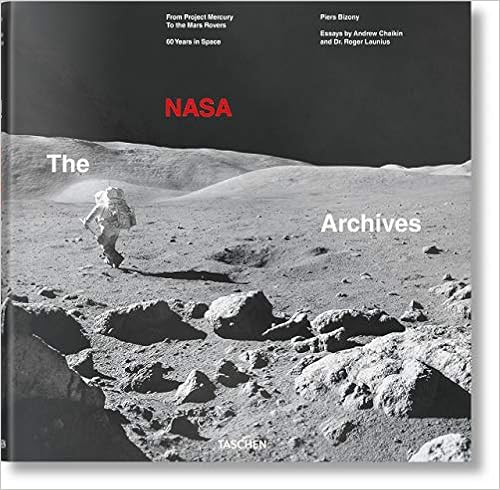
The NASA Archives: 60 Years in Space by Piers Bizony (Feb 2019)
Journey through the U.S. space program's fascinating pictorial history.


More than just a stargazer's guide, this book is a complete history of astronomy as told by Schilling through the lens of each constellation.


A heart-pumping exploration of the biggest explosions in history, from the Big Bang to mysterious activity on Earth and everything in between. Astronomy writer Bob Berman guides us through an epic, all-inclusive investigation into these instances of violence both mammoth and microscopic.


Recommendations for Children:


Just Right: Searching for the Goldilocks Planet by Curtis Manley and Jessica Lanan (Jan 2019)
Follow a young girl as she explores whether there may be life on another Goldilocks planet.


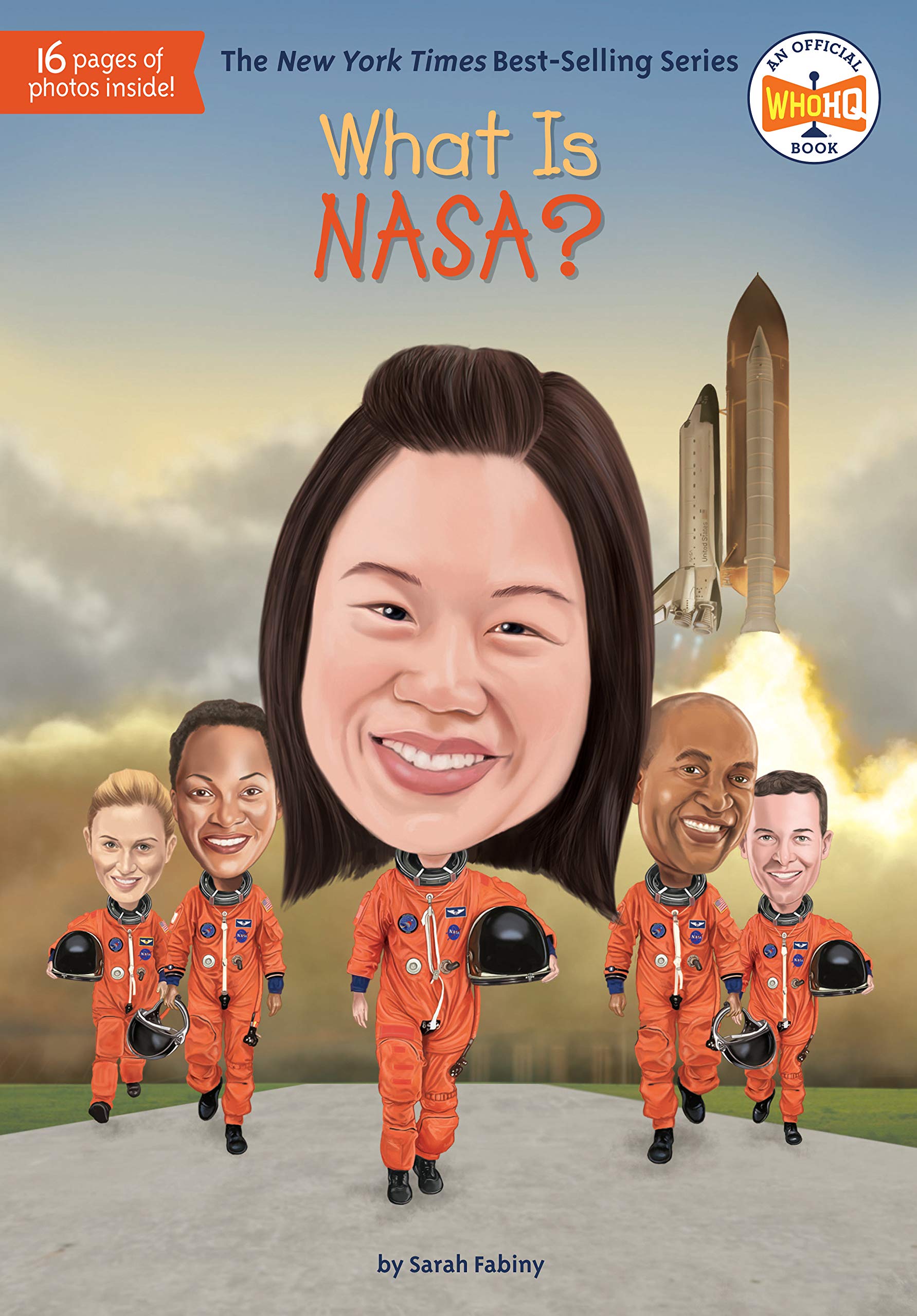
What Is NASA? by Sarah Fabiny (May 2019)
Author Sarah Fabiny describes the origins of NASA, the launching of the Apollo program that landed the first human on the moon, and the many missions and discoveries that have taken place since then.


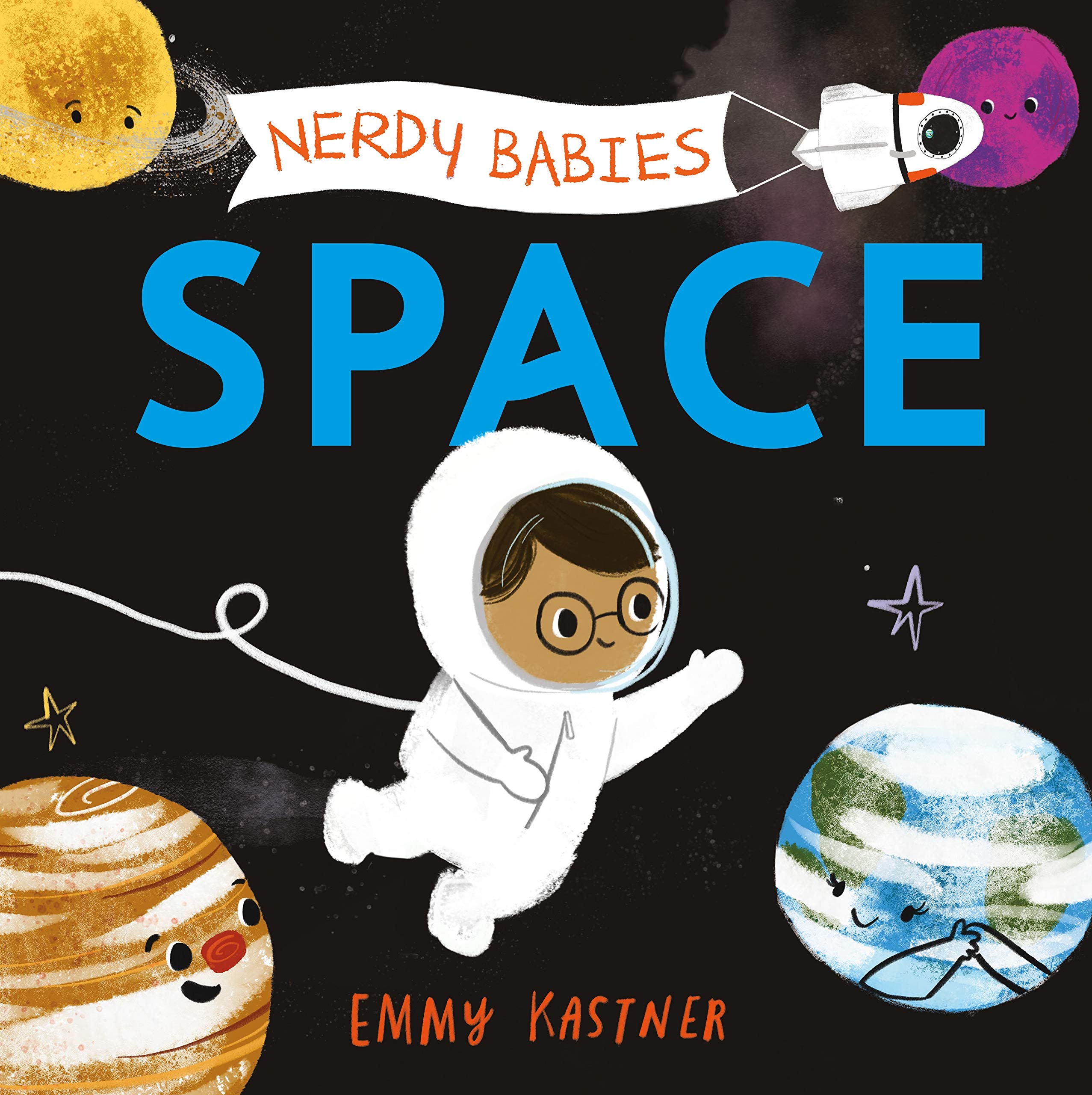
Nerdy Babies: Space by Emmy Kastner (May 2019)
Follow infants as they check out the moon, sun, planets and more with simple text written in question and answer format.


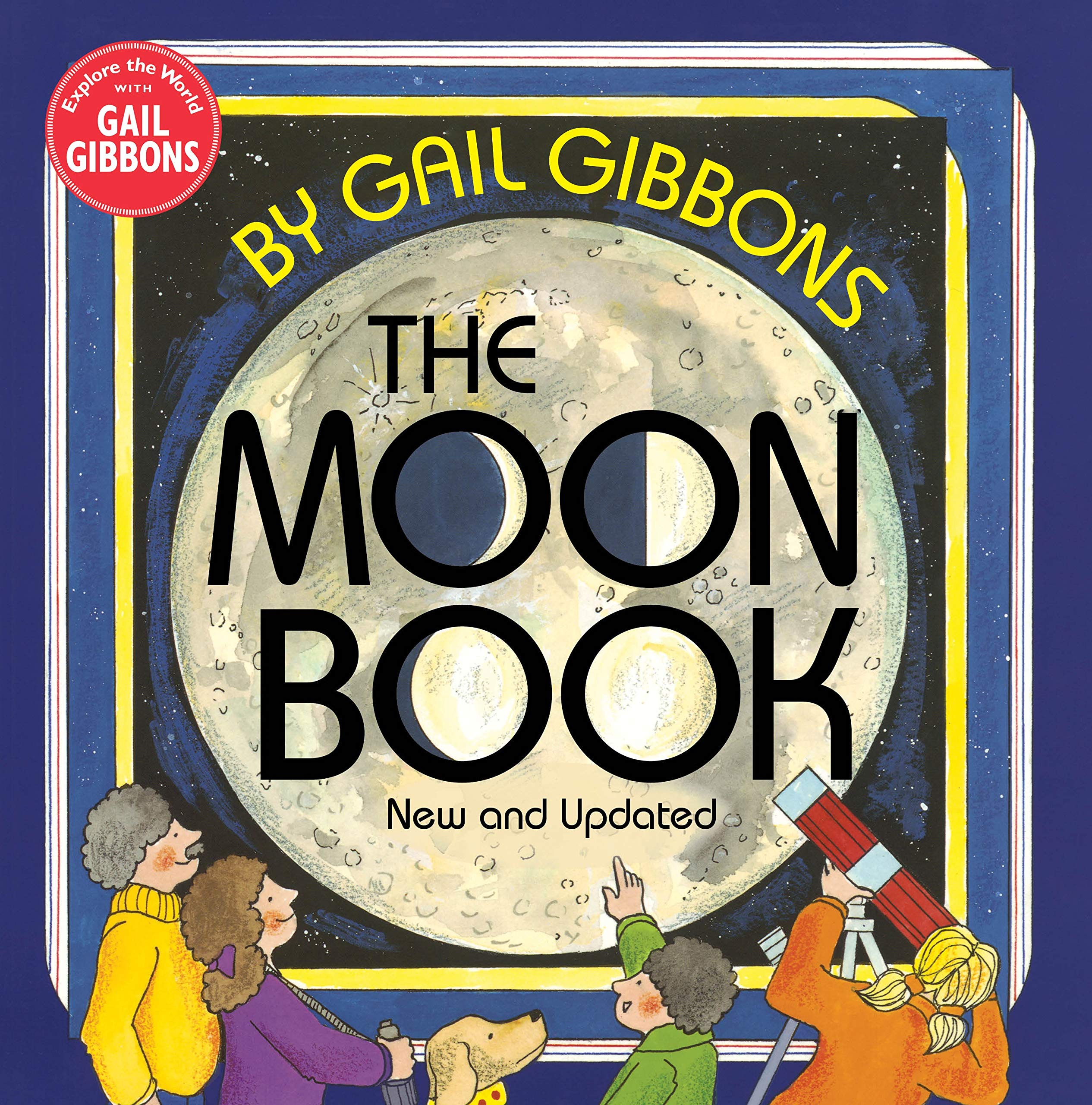
The Moon Book (New & Updated Edition) by Gail Gibbons (May 2019)
Shining light on all kinds of fascinating facts about our moon, this updated simple, introductory book includes information on how the moon affects the oceans' tides, why the same side of the moon always faces earth, why we have eclipses, and more.


Bursting with fascinating facts and the latest breathtaking images, this space book for children brings the wonders of the Solar System to life.


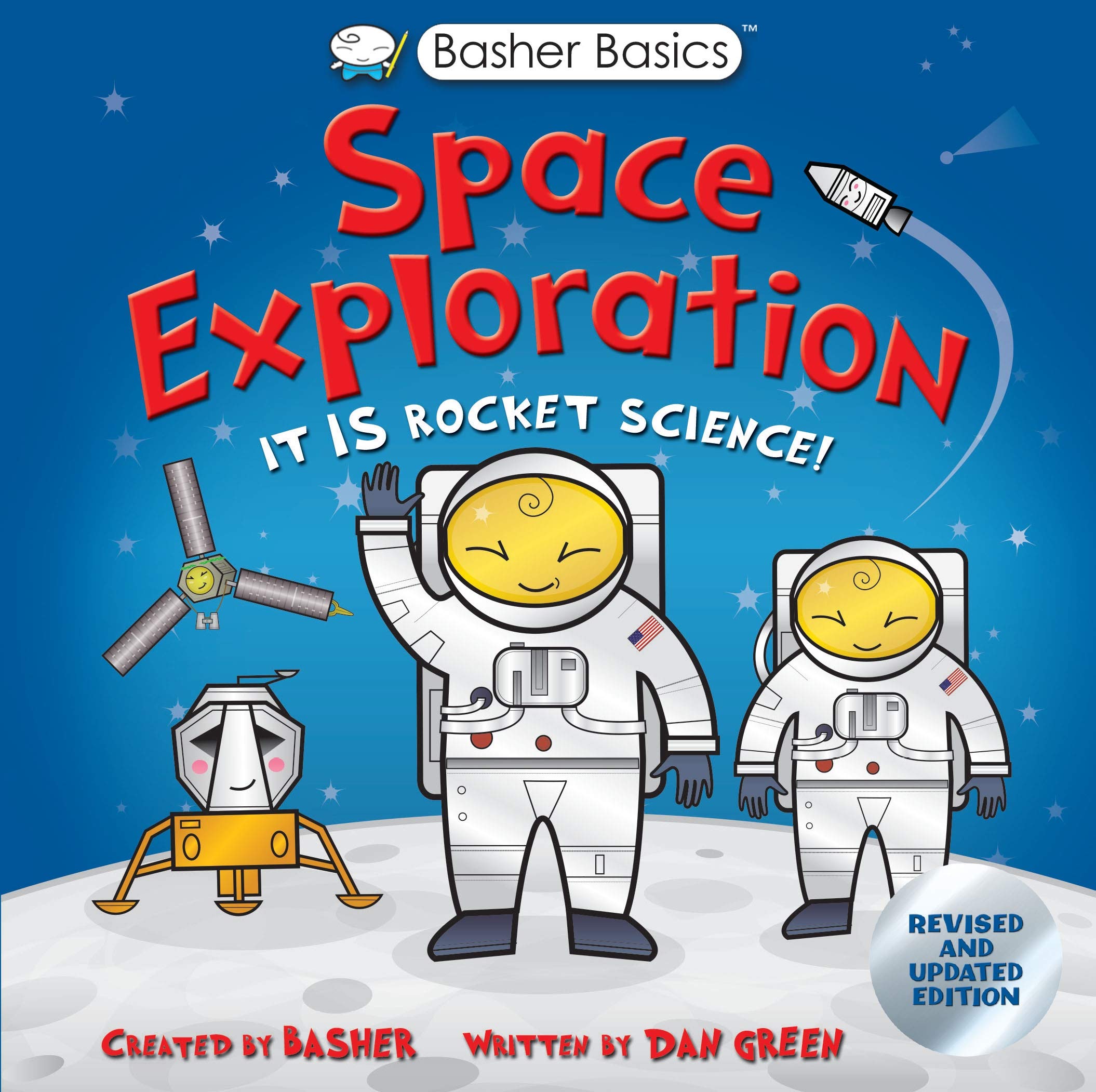
Basher Basics: Space Exploration by Simon Basher (May 2019)
Uses cartoon-style characters to introduce readers to topics related to space exploration and the spacecraft that have been used for it.


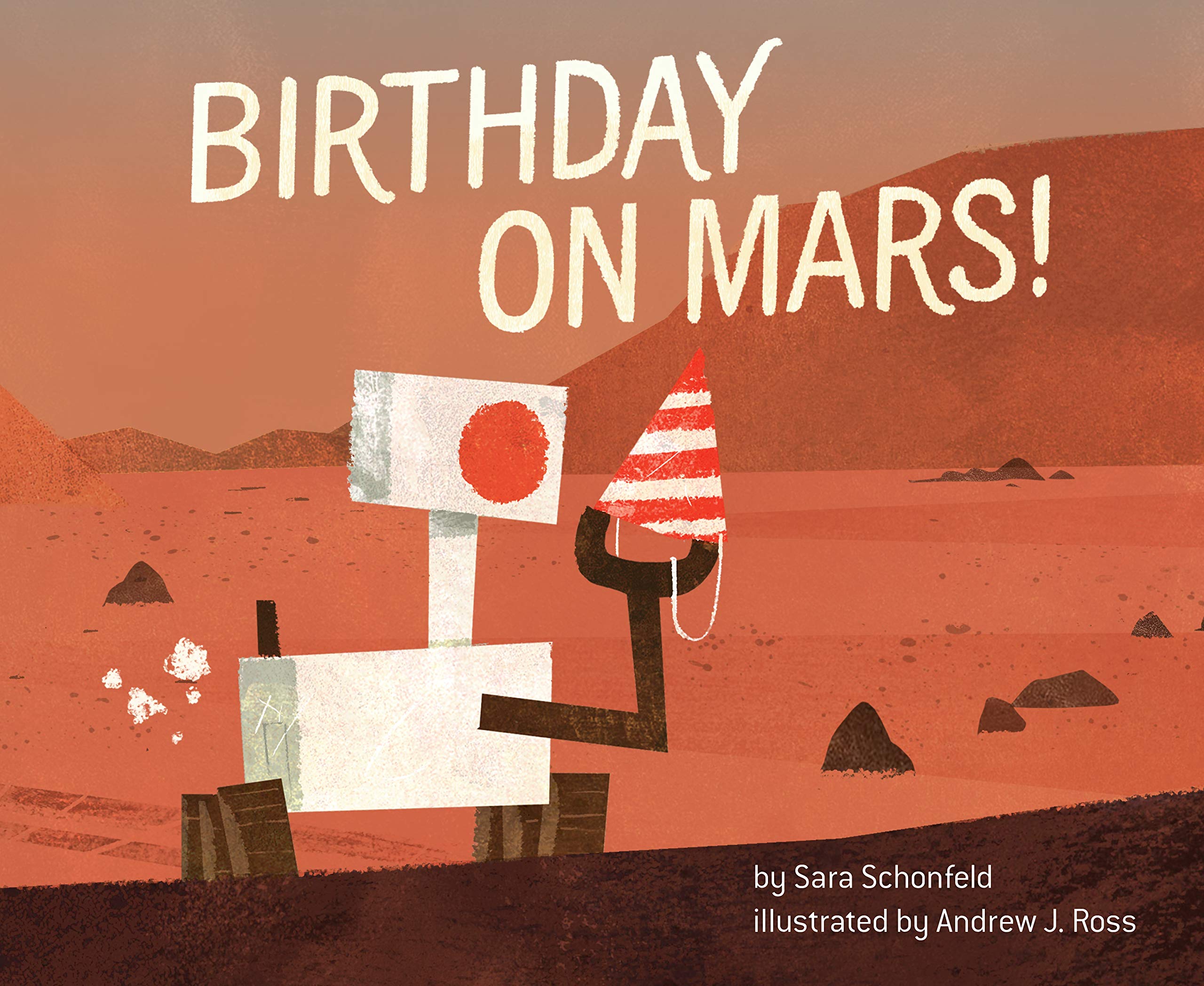
Birthday on Mars! by Sara Schonfeld (Jun 2019)
Even robots have birthdays! Celebrate Curiosity and wish happy birthday to one of NASA's most famous Mars rovers.


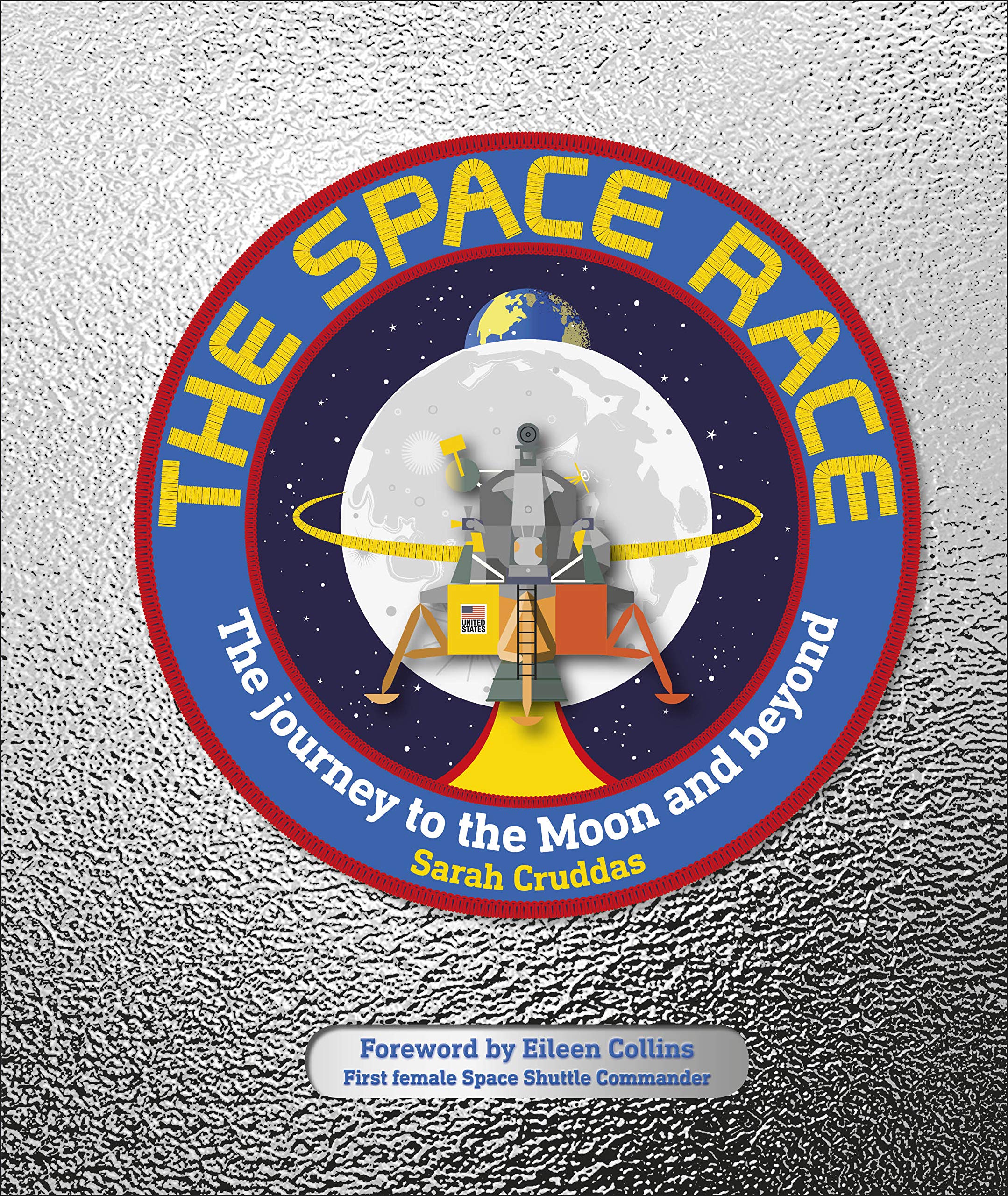
Blast off on a journey through space exploration history, from the Apollo Moon landings to mind-boggling plans for living on Mars.


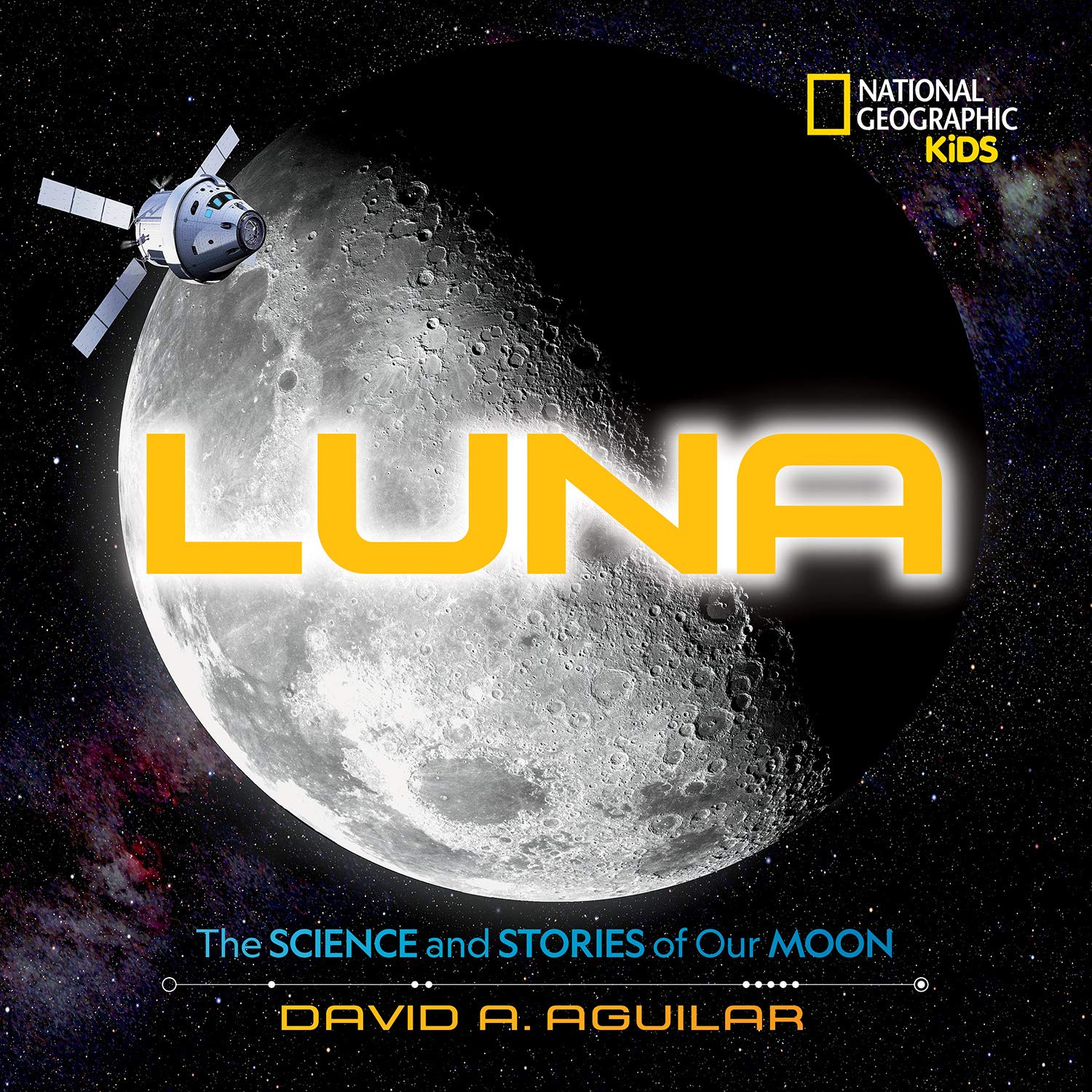
Luna: The Science and Stories of Our Moon by David Aguilar (Jun 2019)
Explore the moon from all angles, from its place in the night sky and our solar system to its role in shaping human history and culture.


Friday, February 8, 2019

Unique Volunteering Opportunities in the Library

Libraries love volunteers! Unfortunately, sometimes we are overrun by the offers of lovely people, and have to turn them away -- particularly teenagers who only need a few hours. Luckily, there are other things that volunteers can do in addition to shelving and shelf-reading. Like what? Well...

Domestic Duties

There are lots of smaller daily activities that need to be taken care of in a library setting. Volunteers can:
  • Dust the shelves
  • Clean and sanitize toys
  • Make sure games and puzzles have all the pieces
  • Organize toy bins and puzzles
  • Test markers and glue sticks to make sure they're still good, and get rid of the old
  • Clean and sanitize tables
  • Vacuum or sweep high-traffic areas, such as the toy section or craft room
  • Wipe down board books/picture books
They're not the most fun activities in the world, but they can be extremely useful!

Online Volunteering

Zooniverse is an the world's largest platform for "people-powered research." Volunteers don't need any special training or equipment to help out - they simply need a computer and Internet access. 

Volunteers can help in many projects! They could:
  • count the orangutans in their nests
  • enter data from old census reports
  • count stars and help discover a supernova
  • transcribe documents from the time of Shakespeare
  • and lots more!
What can the library do? Some locations have laptops dedicated to working on these projects, and volunteers can sign in to work on them for hour-long blocks. They're being helpful and fulfilling their volunteering requirements at the same time! This is particularly useful for teens who need only a few hours. 

Outreach Volunteering

My library currently has a monthly program for children called the Helping Hands Club. The club has a different project every month. At one meeting, they wrote thank you notes to local police officers and firefighters; at another, they made bookmarks to leave at the senior center. There are lots of things that kids can do!
  • Make catnip mice or dog toys for the local animal shelter
  • Participate in the Kindness Rocks program
  • Write letters to active service members
  • Assemble small bags for people at the homeless shelter (socks, handy wipes, granola bars, and a handwritten note telling the recipient that somebody cares)
  • Write get-well cards to patients in the hospital
  • Make "seed bombs" to help spread wildflowers
This idea could easily be adapted for other age groups, who could also do more advanced projects. 
  • Knitting or crocheting hats and scarves for a local homeless shelter or food bank
  • Crochet octopuses for premature babies, as seen on the Martha Stewart Website
  • Create no-sew blankets or pillows for animal shelters

What kinds of unique volunteering opportunities does your library offer? Tell us here in the comments, on Facebook, or on Twitter!

Friday, February 1, 2019

How Ask for Prize Donations

Summer Reading is approaching, and we are all hard at work planning programs and booking performers to come in. Now is also the perfect time to think about prizes - specifically, prize donations. Who do you ask? What do you even ask for? And how do you do it? For many of us, just the soliciting of donations can be awkward and stressful, and we may be tempted to skip it. But fear not, my friends! We are here to help.

Why Ask?

Budgets are tight everywhere. Even in the most well-off places, there's no good reason to spend money that doesn't need to be spent, and if you can stretch your budget and spend your programming money on other things, it's never a bad thing. In addition, reaching out to local businesses can provide valuable partnership opportunities in the future. Even if they are unable to donate prizes, you may be making contact with places that you can collaborate with later for programming. (Perhaps the local bakery doesn't want to give out free cupcake coupons, but may be interested in doing a cupcake decorating class in the future. You never know!)

Please note that this doesn't have to be just for the children's department, though it may be a good idea to have one point person for the library being the one to solicit, and prizes can be distributed to where they might be best used once they arrive.


Who to Ask?

Be creative! Local ice cream stands may give coupons for free cones; bowling alleys may give free games. A candy store once gave me a large supply of candy, which was given out to teens who won it on a scratch ticket. A local grocery store might donate bags of chips for a movie night. The possibilities are endless, and you never know what someone might have to offer until you speak with them. Savvy business owners will know that handing out a coupon for a free ice cream cone means that everyone else in the family will end up purchasing one.

While many chain stores may not be allowed by store policy to donate items, many also have donations written into their policies; I got a lovely assortment of food from Trader Joe's one year, because they had it in their rules that they could give it to us. (I believe the teens ate it at a movie night.) It never hurts to ask!

What to Do

I generally send a letter to each of the businesses I've selected, and include an addressed, stamped return envelope to make it easy for the businesses to reply. I also keep a spreadsheet of who I have asked and what their responses were, and what, if anything, they donated. In addition, I make sure to note in a press release and on promotional materials (if there's room) that "prizes have generously been donated by..." I have also printed out the logos of local businesses and hung them on a bulletin board in the children's room.


What to Say

Here's a sample letter that you can adapt to your needs.

[Business Name]
[Address]
[City, State, ZIP]

Dear General Manager,

My name is Miss Kat and I am the Children's Librarian at the Everytown Public Library. I am reaching out to you about the library's annual Summer Reading Program. I was hoping you would be willing to donate a prize for program participants.

The Summer Reading Program has been an annual tradition since the 1890s, and promotes literacy and a love of lifelong learning in children and teens. More recently, there are adult Summer Reading programs as well, so everyone can join the fun! This year, our theme is "A Universe of Stories," and we will be holding [large number of] programs for town residents.

In addition to helping us reward our library patrons, a donation would help promote your business and help foster a sense of community in Everytown. We would be happy to thank you publicly for your generosity, and promote your business at the same time.

Thank you so much for your time!

Sincerely,

Miss Kat
Everytown Public Library
[Contact Information]


⃞ Yes, I would love to donate a prize and I will contact you!
⃞ Yes, my prize is enclosed!
⃞ I would not like to or are unable to donate, but thank you for thinking of us!


Following Up

ALWAYS send a thank you note! Even if the answer is "no," it only costs you a stamp to be polite, and this can help foster goodwill future. A simple "thank you for your response!" can create a warm and fuzzy feeling that will last. I also stick a Summer Reading Program bookmark inside the note; some businesses hang up the card and the bookmark, and get brownie points from their customers for being so generous.

Friday, January 25, 2019

Storytime Basics

Whether you're working in the Children's Department, subbing in there for a vacation, or maybe just thinking about becoming a librarian someday, it's always a good idea to have some storytime basics in your pocket, just in case you need them.

Now, everyone does storytime differently, and your ideas may vary wildly from what I do -- and that's okay! These basics are here to give you a good jumping-off point, so you're not overwhelmed by the thought of having several small faces staring at you.

The Books

To theme, or not to theme? That is the question. The choice is yours; do you want all your books to be on the same topic, or just have a few books that you feel like reading that day? I've done it both ways, and it works both ways. Sometimes it's easier to pick out a book from the multitude of great options by deciding they all need to be about dinosaurs; sometimes you just really want to read some new ones you just learned about.

To read, or not to read? Some libraries have storytime that no longer has stories! Instead, it's songs, dancing, music, and maybe some storytelling via felt board. Do whatever works for you! Are children enjoying the library? Well, that's one of the main ideas.

When choosing books, I try to make sure they're not more than a sentence or two on a page for kids through preschool age. Many people use voices for different characters, but I am absolutely horrible at that, so I don't even try. I do, however, use facial expressions and emotions to react to what's going on in the story.

The Songs

Repeating the first and last songs of each storytime session helps children to recognize the patterns of the event. "Oh! We're singing 'If You're Happy and You Know It' so we must be getting started!" Interactive songs (with hand motions) are always a good way to get everyone involved in the program and ready to go. I usually start with "Mister Golden Sun," because it's just so cheerful.

I generally sing a song or two between each book. Some librarians have lyrics written out or printed on sheets; I used to do this, but now I generally sing one line of a song and have them repeat it back to me, and we go through the song that way, and then once all together.

You can add an extra element to your songs by introducing shaker eggs, scarves, or jingle bells. This is especially good if the kids are getting wiggly, as they encourage everyone to get up and dance!

If you don't feel comfortable singing, pull out a CD player or an iPod. There is no shame in getting help from the pros!

The Extras

In addition to books and songs, many storytimes also include some extra elements, such as finger-plays, puppets, and felt-board storytelling. Many also have a craft or coloring sheets at the end. At my current library, I inherited the Guess Box. It's a small box with a hole in the lid; I put something inside and the kids have to guess (without peeking or pulling it out) what is inside. They LOVE the Guess Box.

None of these are mandatory, and they're supposed to be fun, so if this just stresses you out, feel free to forego them.

The Basic format

Again, your mileage may vary, but I usually do:
- Opening song
- Book
- Next song
- Book
- Shaker egg song
- Extra (usually the Guess Box)
- Book
- Another song
- Closing song

Always read the longest book first and the shortest book (or the one with a gimmick - the pop-up or the one with sparkly pages) last, when their attention span is waning.

Different age groups

Any and all of these ideas can be adapted for different age groups. With younger children, you can use very short books or only songs and finger-plays, and include interactive bouncy rhythms. Older children can sing more complicated songs, understand longer books, and answer questions. (What color is this? Does he look happy?)

Pre-literacy skills

There are six basic pre-literacy skills that help the very young learn how to read. Some libraries and schools will talk to parents about them during storytime, or have them hanging in poster-form on the wall. Even if you're not doing this, or have never heard of them before, chances are that you're already encouraging them just by hosting a storytime. They are:

  1. Vocabulary - Just by reading to children, you increase their vocabulary and reinforce words they have already learned.
  2. Print motivation - Reading is fun! What better place to learn that than by enjoying a visit to the library?
  3. Print awareness - Look at the words on this page! We can tell a story by reading them!
  4. Narrative skills - Being able to tell things in sequence to tell a story. What happened first?
  5. Letter knowledge - What letter is this? What sound does it make?
  6. Phonological awareness - What sound does this letter make? What word rhymes with CAT? 

They're good to know! But if you don't want to start working them into your storytime, don't despair - you probably already do it.

Tips and Tricks

When dealing with a group where parents get very chatty, I usually start by saying, "Parents, please make sure your little ones are paying attention! Kids, please make sure your grown-ups have their listening ears on!" 

If the room gets wiggly and unruly, I usually use the Simon Says Trick:
Miss Kat Says put your hands on your belly!
Miss Kat Says put your hands on your nose!
Put your hands on your knees! Oooo - Miss Kat didn't say!
Miss Kat says put your fingers in front of your mouth and quietly blow - SHHHHHHH.
Great job! Let's keep going! 

Don't be afraid to just end the session early if you need to. Sometimes there's a day when nobody can sit still, nobody wants to pay attention, and it's just not working. If you've tried all your tricks and it's just A Day, feel free to say, "are we out of attention span for the day? Would we rather go play with the toys?" Remember - it's supposed to be FUN.

If you decide to ask questions about the story, make sure you keep them closed-ended ("what color is this?"), because some preschoolers will tell you a whole story if you let them. If nobody answers, just pretend they did ("that's right! It's BLUE!") and keep moving along.

Remember - if you mess up, nobody will care. Forget the words to a song? Laugh it off! Skip a page? Say, "whoops!" and keep going. Don't stress about it - this is supposed to be fun for you, too!

In Conclusion

We hope this helps any storytime newbies out there! We'd love to hear what works for you. Tell us here in the comments, on our Facebook page, or on Twitter.